
As women move beyond the age of 50, the body naturally goes through several changes. Hormonal shifts, slower metabolism, joint discomfort, weight gain, fatigue, and digestive issues can become more common. One of the biggest hidden contributors to many of these problems is chronic inflammation.
Inflammation is the body’s natural response to injury or illness. However, when inflammation becomes long-term, it may increase the risk of health conditions such as heart disease, arthritis, diabetes, osteoporosis, and cognitive decline. The good news is that diet can play a powerful role in reducing inflammation and supporting healthy ageing.
An anti-inflammatory diet focuses on whole, nutrient-rich foods that nourish the body and help reduce inflammation naturally. For women over 50, this approach can improve energy levels, protect bones and joints, support hormonal balance, and promote overall well-being.
Understanding Inflammation in Women Over 50
As estrogen levels decline during and after menopause, women may become more vulnerable to inflammation-related issues. Hormonal changes can affect metabolism, sleep, mood, and fat distribution. At the same time, ageing can slow the body’s ability to repair itself efficiently.
Chronic inflammation often develops silently. Some common signs include:
- Joint pain or stiffness
- Frequent fatigue
- Digestive discomfort
- Weight gain around the abdomen
- Brain fog
- Skin problems
- Poor sleep
Lifestyle habits such as stress, lack of exercise, smoking, processed foods, and high sugar intake can further increase inflammation.
Adopting an anti-inflammatory eating pattern can help calm the body and reduce these symptoms over time.
Best Anti-Inflammatory Foods for Women Over 50
1. Colourful Fruits and Vegetables
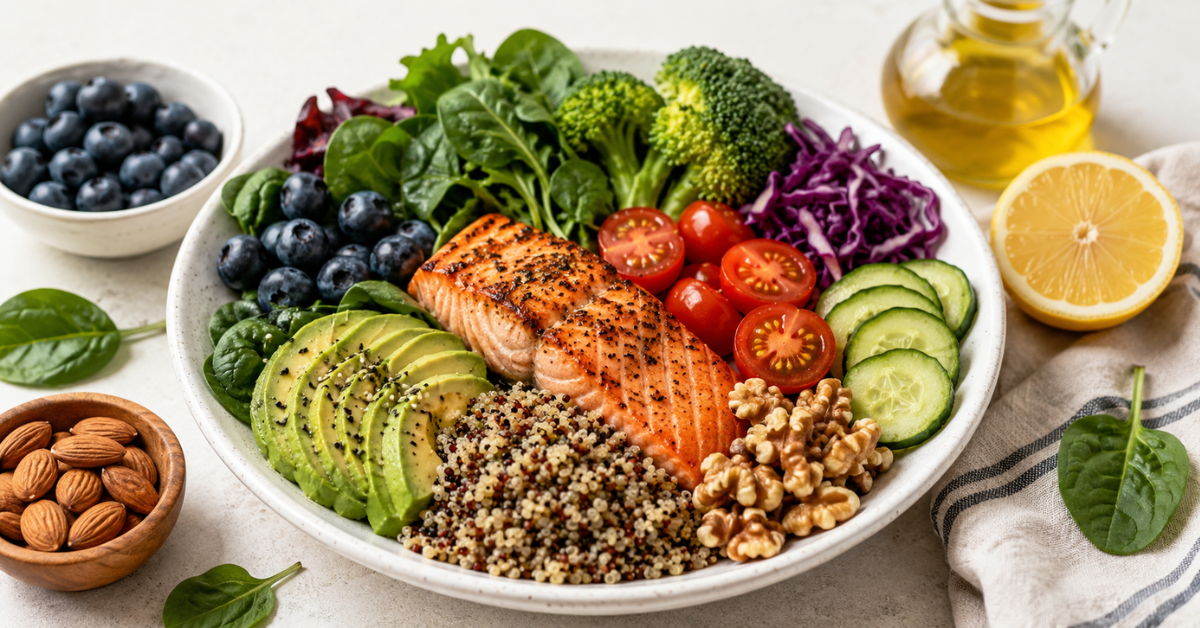
Fruits and vegetables are rich in antioxidants, vitamins, minerals, and fibre that help fight inflammation and protect cells from damage.
Some excellent choices include:
- Berries
- Spinach
- Kale
- Broccoli
- Bell peppers
- Tomatoes
- Carrots
- Sweet potatoes
Berries, especially blueberries and strawberries, contain compounds called anthocyanins that may help reduce inflammation and support brain health.
Leafy greens are also packed with calcium and vitamin K, which are important for bone health after menopause.
2. Healthy Fats
Not all fats are harmful. Healthy fats can actually reduce inflammation and support heart and brain health.
Good sources include:
- Avocados
- Olive oil
- Nuts
- Seeds
- Fatty fish like salmon, sardines, and mackerel
Omega-3 fatty acids found in fish are especially beneficial because they help lower inflammatory markers in the body.
Replacing processed vegetable oils and fried foods with healthier fat sources can make a significant difference.
3. Whole Grains
Whole grains provide fibre, which supports gut health and helps regulate blood sugar levels.
Healthy options include:
- Oats
- Brown rice
- Quinoa
- Barley
- Whole wheat
Fibre also promotes better digestion and may help lower cholesterol levels.
Refined grains such as white bread, pastries, and sugary cereals should be limited because they can increase inflammation and blood sugar spikes.
4. Lean Protein Sources
Protein becomes increasingly important with age because it helps maintain muscle mass and supports healthy ageing.
Anti-inflammatory protein choices include:
- Fish
- Skinless chicken
- Lentils
- Beans
- Tofu
- Greek yogurt
- Eggs
Plant-based proteins also provide fibre and antioxidants that support overall health.
5. Herbs and Spices
Certain herbs and spices contain powerful anti-inflammatory compounds.
Some of the best include:
- Turmeric
- Ginger
- Cinnamon
- Garlic
- Rosemary
Turmeric contains curcumin, a natural compound known for its anti-inflammatory properties. Adding these ingredients to meals can boost flavour while supporting wellness.
Foods to Avoid
An anti-inflammatory diet is not only about what to eat but also about what to limit.
Processed Foods
Highly processed foods often contain unhealthy fats, additives, and excess sodium that can increase inflammation.
Examples include:
- Chips
- Packaged snacks
- Fast food
- Processed meats
Added Sugars
Too much sugar can trigger inflammation and contribute to weight gain and insulin resistance.
Limit:
- Sugary drinks
- Candy
- Desserts
- Sweetened cereals
Refined Carbohydrates
White bread, pasta, and baked goods made from refined flour may increase blood sugar quickly and worsen inflammation.
Excess Alcohol
Moderate alcohol intake may be acceptable for some women, but excessive drinking can increase inflammation and affect liver health.
The Importance of Gut Health
A healthy gut plays a major role in controlling inflammation. The gut microbiome consists of beneficial bacteria that influence digestion, immunity, and even mood.
To support gut health:
- Eat fibre-rich foods
- Include fermented foods like yoghurt and kefir
- Stay hydrated
- Reduce processed foods
Women over 50 may notice digestive changes, and supporting the gut can improve nutrient absorption and reduce bloating or discomfort.
Bone Health and Inflammation
Inflammation may contribute to bone loss, which becomes a bigger concern after menopause. Osteoporosis risk increases as estrogen levels decline.
To support strong bones:
- Eat calcium-rich foods like yoghurt, leafy greens, and almonds
- Include vitamin D sources
- Consume adequate protein
- Stay physically active
Weight-bearing exercises such as walking and strength training can also improve bone density and reduce inflammation.
A Simple Anti-Inflammatory Meal Plan
Here is an example of a balanced anti-inflammatory eating day for women over 50.
Breakfast
Oatmeal topped with blueberries, walnuts, and chia seeds
Mid-Morning Snack
Greek yoghurt with sliced strawberries
Lunch
Grilled salmon with quinoa and roasted vegetables
Afternoon Snack
Apple slices with almond butter
Dinner
Lentil soup with spinach and a side salad drizzled with olive oil
Evening Drink
Herbal tea with ginger or turmeric
This type of meal plan provides fibre, healthy fats, antioxidants, and protein while minimising inflammatory foods.
Lifestyle Habits That Support an Anti-Inflammatory Diet
Diet works best when combined with healthy daily habits.
Stay Active
Regular movement helps reduce inflammation, improve mood, and support heart health. Even 30 minutes of walking daily can make a difference.
Prioritize Sleep
Poor sleep may increase inflammatory markers. Aim for 7–8 hours of quality sleep each night.
Manage Stress
Chronic stress can worsen inflammation. Relaxation techniques such as meditation, yoga, deep breathing, and spending time outdoors may help.
Stay Hydrated
Water supports digestion, circulation, and overall body function. Proper hydration is especially important as we age.
Final Thoughts
The anti-inflammatory diet is not a restrictive or temporary trend. It is a sustainable way of eating that supports healthy ageing and overall wellness for women over 50.
By focusing on whole foods, healthy fats, lean proteins, and colourful produce, women can reduce inflammation naturally and support their bodies during this stage of life. Small, consistent dietary changes can improve energy, protect the heart and bones, support brain health, and enhance quality of life.
Ageing is a natural process, but nourishing the body with anti-inflammatory foods can help women feel stronger, healthier, and more vibrant for years to come.



Comments (0)