

Healthy, glowing skin is often linked to beauty products, skincare routines, and trendy supplements. But in recent years, collagen powders, protein shakes, and nutrition-based skincare have become some of the biggest wellness trends worldwide. Many people now wonder whether drinking collagen or increasing protein intake can truly improve skin health—or if it’s just clever marketing.
The truth is that skin health depends on several factors, including nutrition, hydration, lifestyle habits, hormones, sleep, and sun protection. While collagen and protein can support healthier skin, not every product delivers dramatic results. Understanding what actually works can help you make smarter choices for long-term skin wellness.
Understanding Collagen and Why It Matters
Collagen is the most abundant protein in the human body. It acts as a structural support system for the skin, helping maintain firmness, elasticity, and hydration. Collagen is found in the skin, bones, muscles, tendons, and connective tissues.
As we age, natural collagen production begins to decline. This process usually starts in the mid-20s and becomes more noticeable over time. Reduced collagen levels can contribute to:
- Fine lines and wrinkles
- Sagging skin
- Dryness and dullness
- Loss of elasticity
- Slower skin repair
Environmental factors like sun exposure, smoking, stress, pollution, and poor diet can speed up collagen breakdown even further.
What Happens to Skin When Protein Intake Is Low?
Protein plays a major role in skin repair and renewal. Since skin cells constantly regenerate, your body needs enough amino acids—the building blocks of protein—to maintain healthy skin tissue.
Low protein intake may lead to:
- Weak skin barrier
- Slower wound healing
- Increased dryness
- Reduced elasticity
- Brittle nails and hair
Your skin relies on protein not only for collagen production but also for maintaining its protective barrier against environmental damage.
Do Collagen Supplements Really Work?
Collagen supplements are available in powders, capsules, drinks, gummies, and protein blends. Most contain hydrolysed collagen peptides, which are broken down into smaller amino acids for easier absorption.
Research suggests collagen supplements may provide some skin-related benefits when used consistently over several weeks or months. Potential benefits include:
Improved Skin Hydration
Some studies show collagen peptides may help improve skin moisture levels, especially in people with dry or ageing skin.
Better Elasticity
Collagen supplementation may support skin elasticity, making the skin appear firmer and smoother over time.
Reduction in Fine Lines
While collagen supplements won’t erase wrinkles, some people notice mild improvements in skin texture and fine lines after regular use.
Support for Skin Repair
Collagen contains amino acids like glycine, proline, and hydroxyproline that support tissue repair and skin regeneration.
However, results vary greatly depending on age, diet, lifestyle, genetics, and overall health.
Collagen Alone Is Not Enough
One of the biggest misconceptions is that collagen supplements work like magic. In reality, collagen is only one piece of the puzzle.
Your body also needs:
- Vitamin C
- Zinc
- Copper
- Iron
- Amino acids
- Healthy fats
- Adequate hydration
Without these nutrients, collagen production may not function properly.
Vitamin C is especially important because it helps the body synthesise collagen naturally. That’s why many effective collagen products include vitamin C alongside collagen peptides.
Best Protein Sources for Skin Health
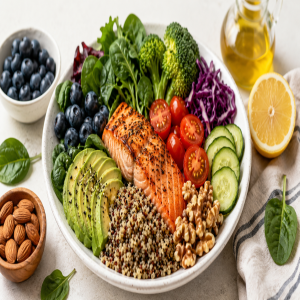
Instead of relying only on supplements, getting enough high-quality protein from food is one of the best ways to support healthy skin.
Animal-Based Protein Sources
These provide complete proteins containing all essential amino acids:
- Eggs
- Fish
- Chicken
- Greek yogurt
- Cottage cheese
- Lean meats
- Bone broth
Fatty fish like salmon also contain omega-3 fatty acids, which support skin hydration and reduce inflammation.
Plant-Based Protein Sources
Plant proteins can also benefit skin health when combined properly:
- Lentils
- Chickpeas
- Tofu
- Quinoa
- Nuts and seeds
- Soy products
- Beans
These foods also contain antioxidants and minerals that help protect the skin from oxidative stress.
Foods That Naturally Boost Collagen Production
Your body can produce collagen naturally when given the right nutrients. Some collagen-supporting foods include:
Vitamin C-Rich Foods
Vitamin C helps stimulate collagen formation.
Examples include:
- Oranges
- Kiwi
- Strawberries
- Bell peppers
- Amla
- Broccoli
Antioxidant-Rich Foods
Antioxidants help protect existing collagen from damage.
Examples include:
- Blueberries
- Green tea
- Tomatoes
- Spinach
- Dark chocolate
Healthy Fats
Healthy fats strengthen the skin barrier and improve hydration.
Examples include:
- Avocados
- Nuts
- Seeds
- Olive oil
- Fatty fish
What Damages Collagen the Most?
Protecting collagen is just as important as boosting it. Several everyday habits can speed up collagen breakdown.
Excess Sun Exposure
UV rays are one of the biggest causes of premature skin ageing. Daily sunscreen use is one of the most effective ways to protect collagen.
Smoking
Smoking reduces blood flow to the skin and damages collagen fibres, leading to wrinkles and dullness.
High Sugar Intake
Excess sugar can contribute to glycation, a process that weakens collagen and elastin fibres.
Poor Sleep
Skin repair happens during sleep. Chronic sleep deprivation may increase inflammation and accelerate ageing.
Chronic Stress
Stress hormones can affect skin healing, hydration, and inflammation levels.
Can Protein Powders Improve Skin?
Protein powders may support skin health if they help meet your daily protein requirements. Whey protein, plant protein, and collagen protein can all contribute to the amino acids needed for skin repair.
However, not all protein powders are ideal for everyone.
Some people may experience acne flare-ups from certain dairy-based whey proteins. Others may respond better to plant-based options like pea or soy protein.
The best protein powder is one that:
- Fits your dietary needs
- Contains minimal added sugar
- Includes high-quality ingredients
- Supports your overall nutrition goals
What Actually Works for Healthier Skin?
When it comes to skin health, long-term habits matter more than quick fixes. The most effective approach combines proper nutrition with healthy lifestyle practices.
Focus on a Balanced Diet
Eat enough protein, fruits, vegetables, and healthy fats consistently.
Stay Hydrated
Water supports skin moisture and overall cellular function.
Use Sunscreen Daily
Sun protection is one of the most proven anti-ageing strategies available.
Get Quality Sleep
Aim for consistent, restful sleep to support skin repair.
Avoid Smoking and Excess Alcohol
Both can accelerate collagen loss and dehydration.
Consider Supplements Carefully
Collagen supplements may help some people, but they work best alongside a healthy lifestyle—not instead of one.
Final Thoughts
Collagen and protein both play important roles in maintaining healthy skin, but there is no single miracle solution. While collagen supplements may improve hydration and elasticity for some people, the biggest improvements usually come from a combination of balanced nutrition, sun protection, hydration, and healthy daily habits.
Instead of chasing expensive trends, focus on supporting your skin from the inside out. Eating enough protein, consuming collagen-supporting nutrients, protecting your skin from damage, and maintaining a healthy lifestyle are the strategies that truly work over time.
Healthy skin is less about one product and more about consistent care, nourishment, and long-term wellness.



Comments (0)