
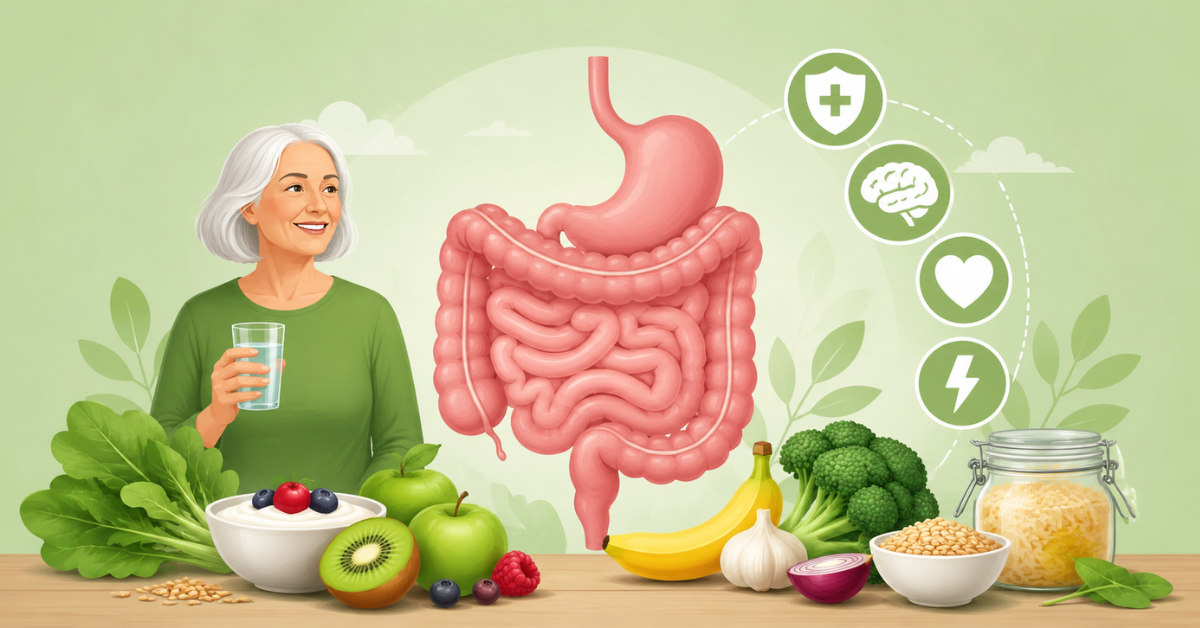
As people cross the age of 50, health priorities often begin to shift. Energy levels may change, digestion can become slower, and issues like bloating, constipation, fatigue, and weakened immunity may appear more often. What many people do not realise is that these concerns are often connected to one major factor — gut health.
The gut does much more than digest food. It influences the immune system, heart health, brain function, metabolism, mood, and even healthy ageing. According to growing research and trends highlighted in Google AI-driven health insights, maintaining a healthy gut after 50 is one of the most important steps toward overall wellness.
What Is Gut Health?
Gut health refers to the balance of microorganisms living in the digestive tract. These bacteria, fungi, and microbes are known as the gut microbiome. A healthy microbiome helps the body break down food, absorb nutrients, fight harmful bacteria, and regulate inflammation.
When the gut becomes unbalanced, it can affect nearly every system in the body. Ageing naturally changes the gut microbiome, which is why digestive health deserves extra attention after 50.
Why Gut Health Changes After 50
Several factors contribute to gut changes as people age:
- Slower digestion
- Reduced stomach acid production
- Increased medication use
- Lower physical activity
- Changes in diet
- Stress and poor sleep
These factors can reduce the diversity of healthy gut bacteria, leading to digestive discomfort and other health concerns.
Many adults over 50 notice symptoms such as:
- Bloating
- Gas
- Constipation
- Acid reflux
- Food sensitivities
- Low energy
- Brain fog
These are not always “normal ageing” symptoms. In many cases, they are signs of poor gut health.
The Gut and the Immune System
Did you know that nearly 70% of the immune system is connected to the gut? A healthy gut acts as a protective barrier against harmful bacteria and viruses.
As immunity naturally weakens with age, gut health becomes even more important. An unhealthy gut can increase inflammation in the body, making people more vulnerable to infections and chronic diseases.
A balanced gut microbiome helps support:
- Stronger immune responses
- Reduced inflammation
- Faster recovery from illness
- Better nutrient absorption
This is why many experts now consider gut health a foundation for healthy ageing.
Gut Health and Brain Function
The gut and brain are closely connected through what scientists call the “gut-brain axis.” This communication system allows the gut to influence mood, memory, and mental clarity.
Poor gut health after 50 may contribute to:
- Anxiety
- Mood swings
- Brain fog
- Poor concentration
- Sleep disturbances
Healthy gut bacteria produce important chemicals like serotonin, which plays a major role in mood regulation. In fact, a large percentage of serotonin is produced in the gut.
Improving gut health may help support emotional wellness and cognitive function as people age.
Digestive Health and Weight Management
Many adults find it harder to maintain a healthy weight after 50. Hormonal changes, slower metabolism, and reduced muscle mass all play a role. However, gut health can also influence weight management.
An unhealthy gut microbiome may affect how the body stores fat, regulates hunger, and processes sugar. Poor digestion can also lead to cravings for unhealthy foods.
A healthy gut supports:
- Better metabolism
- Balanced appetite
- Improved digestion
- Stable blood sugar levels
This makes gut-friendly eating habits especially important during midlife and beyond.
Signs Your Gut May Need Attention
Some common warning signs of poor gut health include:
- Frequent bloating or gas
- Irregular bowel movements
- Constant fatigue
- Sugar cravings
- Skin issues
- Difficulty sleeping
- Frequent illness
If these symptoms persist, it may be helpful to speak with a healthcare professional to rule out underlying conditions.
Best Foods for Gut Health After 50
Diet is one of the most powerful ways to improve gut health naturally. The goal is to feed healthy gut bacteria with nutrient-rich foods.
Fibre-Rich Foods
Fibre acts as fuel for beneficial gut bacteria. Adults over 50 should include:
- Oats
- Whole grains
- Lentils
- Beans
- Apples
- Berries
- Leafy greens
Fibre also supports regular bowel movements and heart health.
Probiotic Foods
Probiotics contain healthy live bacteria that help restore gut balance.
Good options include:
- Yoghurt with live cultures
- Kefir
- Kimchi
- Sauerkraut
- Buttermilk
These foods may improve digestion and support immunity.
Prebiotic Foods
Prebiotics help healthy bacteria grow in the gut.
Examples include:
- Garlic
- Onion
- Bananas
- Asparagus
- Chicory root
Combining probiotics and prebiotics can support a stronger microbiome.
Hydration Matters
Dehydration can worsen constipation and slow digestion. Drinking enough water supports healthy bowel function and nutrient absorption.
Older adults should make hydration a daily priority, especially during hot weather or physical activity.
Lifestyle Habits That Support Gut Health
Gut health is not only about food. Daily habits also matter.
Stay Active
Regular movement supports digestion and promotes healthy gut bacteria. Walking, yoga, and strength training can all help.
Manage Stress
Chronic stress affects the gut-brain connection and may disrupt digestion. Meditation, breathing exercises, and quality sleep can improve both stress and gut health.
Limit Processed Foods
Highly processed foods, excess sugar, and artificial additives may negatively affect gut bacteria and increase inflammation.
Avoid Unnecessary Antibiotics
While antibiotics are sometimes necessary, overuse can damage healthy gut bacteria. Always use medications responsibly under medical guidance.
The Long-Term Benefits of a Healthy Gut
Focusing on gut health after 50 may support:
- Better digestion
- Stronger immunity
- Improved energy
- Healthy aging
- Better mental clarity
- Reduced inflammation
- Heart and metabolic health
Small daily changes can make a significant difference over time.
Final Thoughts
Gut health after 50 is about much more than digestion. The gut influences immunity, brain health, metabolism, energy, and overall quality of life. As the body ages, caring for the microbiome becomes increasingly important.
Eating fibre-rich foods, staying active, reducing stress, and supporting healthy bacteria can all contribute to better wellness in later years. By prioritising gut health today, adults over 50 can build a stronger foundation for healthier ageing and improved vitality.



Comments (0)