
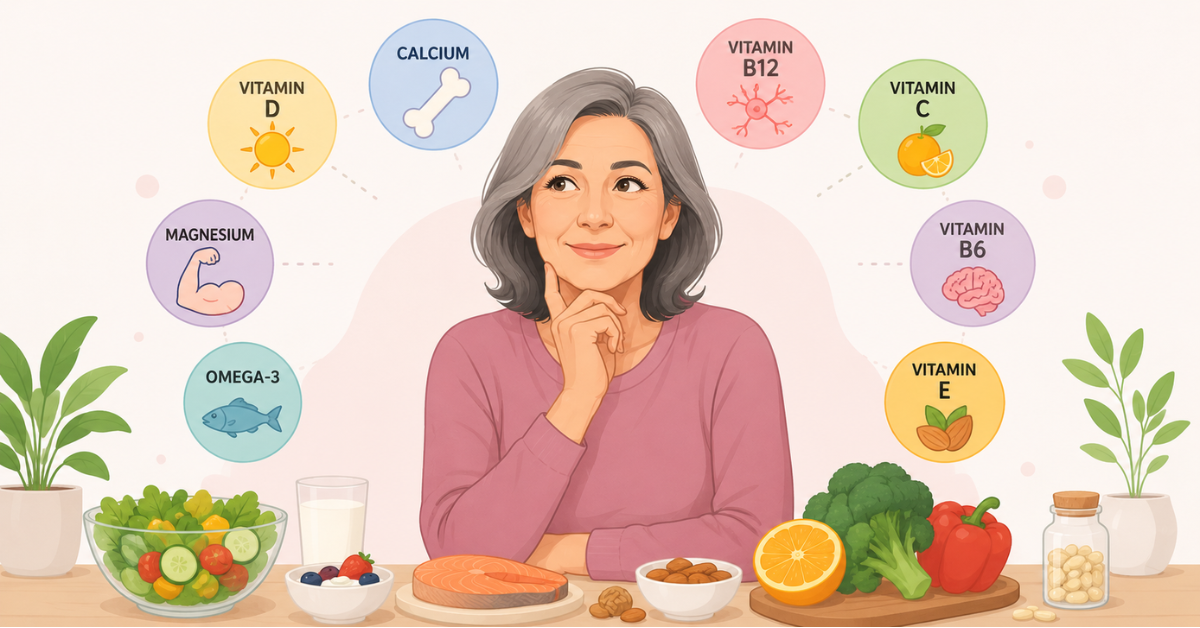
As women age, their nutritional needs begin to change. After the age of 50, the body naturally experiences hormonal shifts, slower metabolism, reduced bone density, and changes in muscle mass. These changes make it even more important to maintain a healthy diet rich in essential vitamins and minerals.
While a balanced lifestyle plays a major role in healthy ageing, certain vitamins become especially important for supporting bones, heart health, immunity, brain function, and energy levels. Understanding which nutrients your body needs can help improve overall well-being and reduce the risk of age-related health issues.
Here are the essential vitamins every woman over 50 should not ignore.
Vitamin D for Strong Bones and Immunity
Vitamin D is one of the most important nutrients for women over 50. As estrogen levels decline after menopause, bone loss can happen more rapidly, increasing the risk of osteoporosis and fractures.
Vitamin D helps the body absorb calcium properly and supports:
- Bone strength
- Muscle function
- Immune health
- Mood balance
Low vitamin D levels are common among older adults because the skin becomes less efficient at producing vitamin D from sunlight.
Sources of Vitamin D
- Sunlight exposure
- Fatty fish like salmon and tuna
- Egg yolks
- Fortified milk and cereals
Many women may also require supplements if blood levels are low.
Calcium for Bone Health
Calcium works closely with vitamin D to maintain healthy bones and teeth. Women over 50 are at higher risk of calcium deficiency due to hormonal changes linked to menopause.
Adequate calcium intake helps:
- Prevent bone thinning
- Reduce fracture risk
- Support muscle and nerve function
Calcium-Rich Foods
- Milk and yoghurt
- Cheese
- Tofu
- Almonds
- Leafy green vegetables
If dietary intake is insufficient, a doctor may recommend calcium supplements.
Vitamin B12 for Brain and Nerve Function
Vitamin B12 is essential for healthy nerves, brain function, and red blood cell production. After age 50, the body may absorb vitamin B12 less efficiently, making deficiency more common.
Low B12 levels can cause:
- Fatigue
- Memory problems
- Tingling in hands and feet
- Mood changes
- Weakness
Sources of Vitamin B12
- Eggs
- Fish
- Dairy products
- Chicken
- Fortified cereals
Women following a vegetarian diet may need extra attention to their B12 intake.
Vitamin C for Skin and Immunity
Vitamin C is a powerful antioxidant that supports immune function and healthy ageing. It also helps the body produce collagen, which is important for maintaining healthy skin, joints, and blood vessels.
Benefits of vitamin C include:
- Stronger immunity
- Better wound healing
- Healthier skin
- Protection against oxidative stress
Vitamin C Sources
- Oranges
- Kiwi
- Strawberries
- Bell peppers
- Tomatoes
- Broccoli
A diet rich in colourful fruits and vegetables can help meet daily vitamin C needs naturally.
Vitamin B6 for Energy and Brain Health
Vitamin B6 supports metabolism, brain function, and mood regulation. It also helps the body use proteins and produce neurotransmitters that influence emotional health.
Women over 50 may benefit from vitamin B6 because it supports:
- Cognitive health
- Energy production
- Immune function
- Hormonal balance
Foods Rich in Vitamin B6
- Bananas
- Potatoes
- Chickpeas
- Fish
- Poultry
Including a variety of whole foods can help maintain healthy levels.
Vitamin E for Healthy Ageing
Vitamin E is another important antioxidant that helps protect cells from damage caused by ageing and environmental stress.
Potential benefits include:
- Skin protection
- Immune support
- Heart health
- Reduced oxidative stress
Vitamin E Sources
- Nuts and seeds
- Spinach
- Avocados
- Sunflower oil
Although deficiency is uncommon, including vitamin E-rich foods can support overall wellness.
Magnesium for Muscles and Sleep
Magnesium is often overlooked, but it plays a major role in muscle function, sleep quality, and heart health.
Benefits of magnesium include:
- Better sleep
- Muscle relaxation
- Blood pressure support
- Bone health
Magnesium-Rich Foods
- Pumpkin seeds
- Nuts
- Whole grains
- Dark leafy greens
- Beans
Many adults do not get enough magnesium through diet alone.
Omega-3 Fatty Acids for Heart and Brain Health
Although technically not a vitamin, omega-3 fatty acids are extremely important for women over 50. They help reduce inflammation and support heart and brain function.
Omega-3s may help:
- Support memory
- Improve heart health
- Reduce joint stiffness
- Support eye health
Omega-3 Sources
- Salmon
- Sardines
- Chia seeds
- Flaxseeds
- Walnuts
These healthy fats are an important part of ageing well.
Why Nutritional Needs Change After 50
Several factors affect nutrition after age 50:
- Hormonal changes after menopause
- Reduced muscle mass
- Slower digestion
- Lower calorie needs
- Changes in nutrient absorption
Because of these changes, focusing on nutrient-dense foods becomes even more important.
Should Women Over 50 Take Supplements?
Supplements can help fill nutritional gaps, but they should not replace a healthy diet. It is best to speak with a healthcare professional before starting supplements, especially if you have medical conditions or take medications.
Blood tests may help identify deficiencies and determine whether supplementation is necessary.
Final Thoughts
Healthy ageing starts with proper nutrition. Women over 50 need specific vitamins and nutrients to support bone strength, brain function, heart health, immunity, and energy levels.
Vitamin D, calcium, vitamin B12, vitamin C, vitamin B6, vitamin E, magnesium, and omega-3 fatty acids all play important roles in maintaining overall wellness. Eating a balanced diet rich in whole foods, staying active, and attending regular health checkups can help women enjoy healthier and more active lives after 50.
Taking care of your nutritional health today can make a big difference in your long-term well-being and quality of life.


Comments (0)