
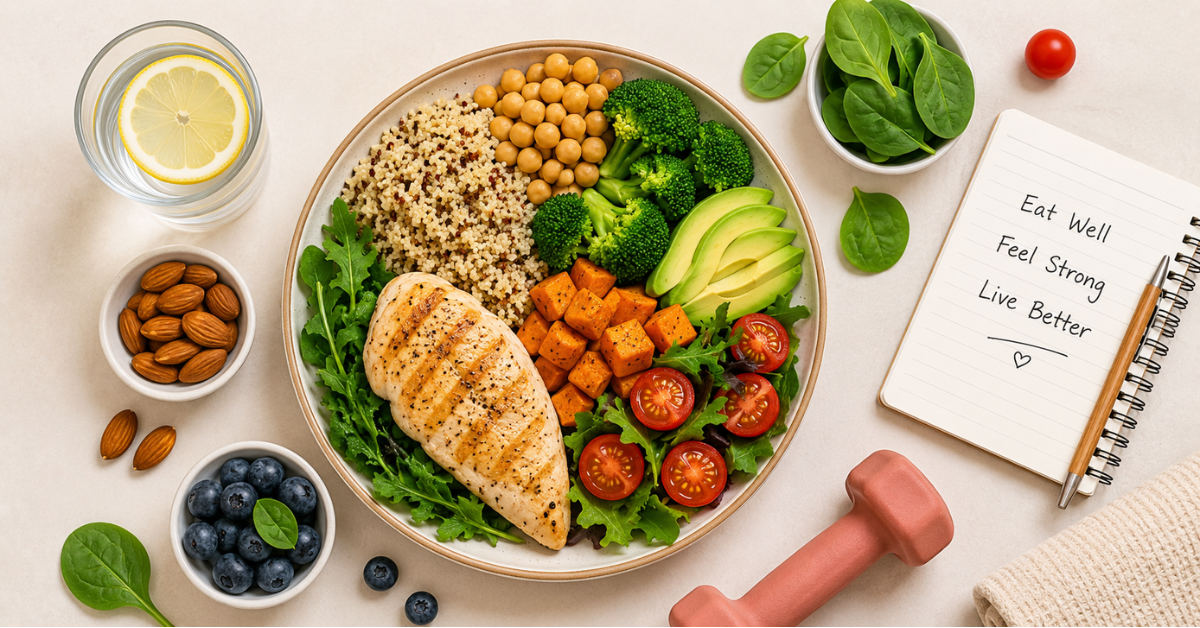
For many years, healthy eating has been strongly connected to weight loss. Diet plans, calorie counting, and restrictive eating habits often focus only on reducing body weight. But food does much more than help people lose weight — it fuels the body, supports the brain, improves mood, and provides the energy needed for daily life.
Many people who follow strict diets may lose weight temporarily but still feel tired, weak, unfocused, or irritable. This happens because the body is not getting the balanced nutrition it truly needs. Eating for energy means choosing foods that nourish the body, stabilise blood sugar, and support overall wellness instead of simply cutting calories.
When you start focusing on energy instead of only weight loss, your relationship with food becomes healthier and more sustainable.
Why Energy-Focused Eating Matters
The human body needs energy for everything — breathing, walking, working, exercising, digestion, and even thinking. Food acts as fuel, and the quality of that fuel directly affects how you feel throughout the day.
Low-energy eating habits may lead to:
- Fatigue
- Brain fog
- Mood swings
- Poor concentration
- Cravings
- Weak immunity
- Poor sleep
On the other hand, nutrient-rich foods help maintain steady energy levels and improve physical and mental performance.
Stop Skipping Meals
One of the biggest mistakes people make while trying to lose weight is skipping meals. Missing breakfast or going long hours without eating may slow metabolism and cause energy crashes later in the day.
Instead of starving the body, focus on balanced meals at regular intervals. Eating every 3–4 hours can help maintain stable blood sugar and prevent overeating.
A healthy breakfast may include:
- Oats with fruits and nuts
- Eggs with whole-grain toast
- Yoghurt with seeds and berries
- Smoothies with protein and healthy fats
Starting the day with proper nutrition improves focus and energy.
Choose Complex Carbohydrates
Carbohydrates often get a bad reputation in weight-loss culture, but they are the body’s primary energy source. The key is choosing the right kind of carbs.
Simple carbohydrates like sugary snacks, white bread, and soft drinks provide quick energy followed by sudden crashes. Complex carbohydrates release energy slowly and keep you fuller for longer.
Good energy-supporting carbs include:
- Brown rice
- Oats
- Sweet potatoes
- Quinoa
- Whole wheat
- Fruits and vegetables
These foods provide fibre, vitamins, and long-lasting fuel for the body.
Prioritise Protein in Every Meal
Protein helps build muscles, repair tissues, and maintain energy levels. It also keeps you feeling satisfied longer, reducing unnecessary snacking.
Healthy protein sources include:
- Eggs
- Fish
- Chicken
- Lentils
- Beans
- Paneer
- Greek yogurt
- Nuts and seeds
Combining protein with fibre-rich foods can help balance blood sugar and improve energy stability throughout the day.
Don’t Fear Healthy Fats
Many people avoid fats when trying to lose weight, but healthy fats are essential for brain function, hormones, and sustained energy.
Healthy fats help slow digestion and keep you fuller for longer. They also support heart health and reduce inflammation.
Include healthy fats such as:
- Avocados
- Nuts
- Seeds
- Olive oil
- Fatty fish
- Peanut butter in moderation
The goal is balance, not elimination.
Stay Hydrated
Dehydration is a common but overlooked reason for low energy. Even mild dehydration can cause headaches, fatigue, and poor concentration.
Many people confuse thirst with hunger and end up overeating when they actually need water.
To stay hydrated:
- Drink water regularly throughout the day
- Include coconut water or fresh fruit occasionally
- Limit excessive sugary drinks and caffeine
Proper hydration supports digestion, circulation, and energy production.
Eat More Iron-Rich Foods
Low iron levels can lead to tiredness and weakness, especially in women. Iron helps carry oxygen throughout the body, which is essential for maintaining energy.
Iron-rich foods include:
- Spinach
- Lentils
- Beans
- Lean meats
- Beetroot
- Pumpkin seeds
Combining iron-rich foods with vitamin C sources like oranges or tomatoes may improve iron absorption.
Reduce Ultra-Processed Foods
Highly processed foods may taste convenient and satisfying temporarily, but they often contain excess sugar, unhealthy fats, and refined ingredients that lead to energy crashes.
Common ultra-processed foods include:
- Chips
- Sugary cereals
- Fast food
- Packaged desserts
- Soft drinks
These foods may increase cravings and reduce stable energy levels over time.
Instead, focus on whole and minimally processed foods whenever possible.
Listen to Your Body
Eating for energy also means paying attention to how foods make you feel. Some meals leave you energised and satisfied, while others may cause bloating, sluggishness, or cravings.
Keeping a simple food journal may help identify patterns between meals and energy levels.
Questions to ask yourself:
- Do I feel energised after eating?
- Am I staying full for a reasonable time?
- Does this meal improve my focus and mood?
Mindful eating helps create a healthier connection with food.
Sleep and Stress Also Affect Energy
Food alone cannot fix low energy if sleep and stress are constantly ignored. Poor sleep, high stress, and lack of movement can all affect metabolism and energy production.
To support overall energy:
- Get enough sleep
- Exercise regularly
- Spend time outdoors
- Practice stress management
- Avoid extreme dieting
A healthy lifestyle works together with nutrition to improve energy naturally.
Final Thoughts
Healthy eating should not only be about losing weight. True wellness comes from nourishing the body with foods that provide strength, focus, and long-lasting energy.
Instead of chasing restrictive diets or quick fixes, focus on balanced meals filled with whole foods, protein, healthy fats, fibre, and hydration. When you eat to fuel your body properly, you may notice better concentration, improved mood, stronger immunity, and more stable energy throughout the day.
Weight management often becomes a natural result of healthy habits, but the real goal should always be feeling strong, energised, and well every day.



Comments (0)