
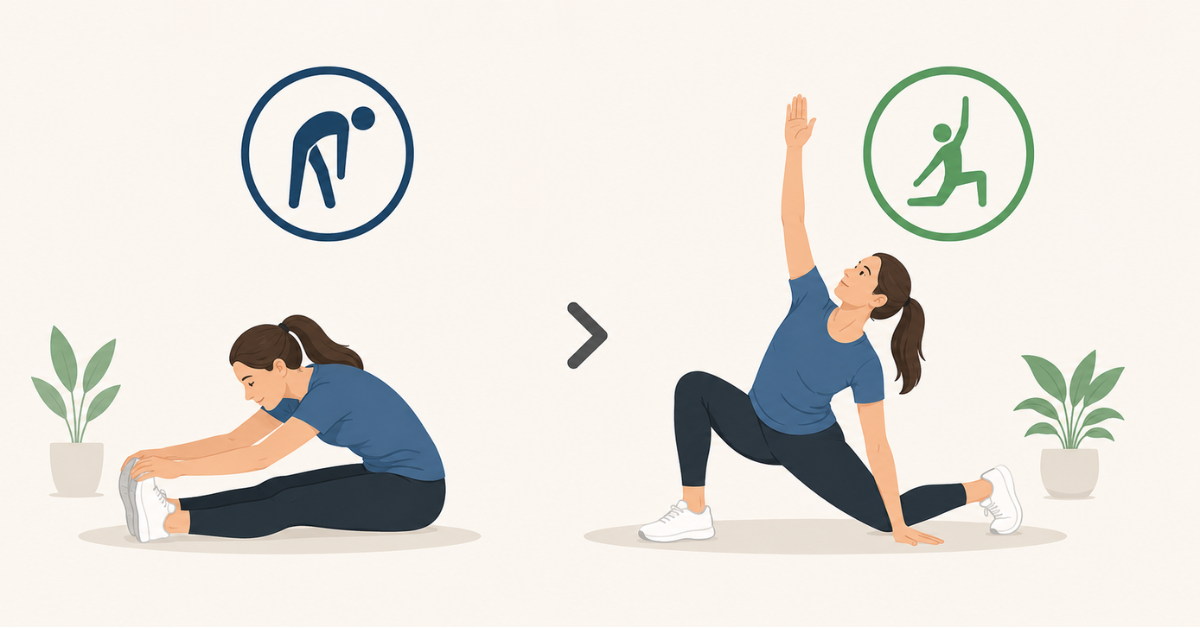
When people think about movement and fitness, flexibility often gets most of the attention. Stretching routines, yoga poses, and touching your toes are commonly associated with staying healthy and active. However, there is another factor that may be even more important for long-term movement and physical health: mobility.
While flexibility refers to how far a muscle can stretch, mobility is about how well your joints and muscles work together to move efficiently and safely. In simple terms, flexibility is passive movement, while mobility is active, controlled movement.
As more health experts and fitness professionals focus on functional movement and injury prevention, mobility is becoming recognised as one of the most important aspects of overall wellness. Whether you are an athlete, office worker, parent, or older adult, improving mobility may be the real key to staying active and maintaining independence throughout life.
Understanding the Difference Between Mobility and Flexibility
Although the terms are often used interchangeably, mobility and flexibility are not the same thing.
Flexibility
Flexibility refers to the ability of muscles to lengthen or stretch. For example, touching your toes demonstrates hamstring flexibility.
A person may have flexible muscles but still struggle with movement control or joint stability.
Mobility
Mobility refers to the ability of a joint to move actively through its full range of motion with strength, stability, and control.
For example, being able to comfortably squat, reach overhead, rotate your spine, or get up from the floor without pain requires mobility.
Mobility combines several elements, including:
- Joint health
- Muscle strength
- Coordination
- Stability
- Balance
- Flexibility
- Neuromuscular control
This is why mobility plays such a major role in everyday movement.
Why Mobility Matters More for Daily Life
Good mobility supports nearly every movement you make throughout the day. From walking and climbing stairs to lifting groceries and getting out of bed, mobility allows your body to move efficiently and safely.
Without proper mobility, the body often compensates with poor movement patterns that increase stress on muscles and joints.
Benefits of Good Mobility
Reduces Injury Risk
Restricted movement can force the body into awkward positions that strain muscles, ligaments, and joints. Good mobility helps distribute movement properly across the body, lowering injury risk during exercise and daily activities.
Improves Posture
Poor mobility, especially in the hips, shoulders, and spine, often contributes to bad posture. Mobility exercises help improve alignment and movement mechanics.
Enhances Athletic Performance
Athletes rely on mobility for strength, power, speed, and coordination. Limited mobility can reduce performance and increase the risk of overuse injuries.
Supports Healthy Ageing
As people age, joint stiffness and muscle weakness can reduce independence. Maintaining mobility helps older adults stay active, balanced, and physically capable.
Decreases Pain and Stiffness
Tight hips, stiff shoulders, and lower back discomfort are often linked to limited mobility. Improving movement patterns can reduce tension and improve comfort.
Common Causes of Poor Mobility
Modern lifestyles contribute heavily to mobility problems. Long hours sitting at desks, looking at screens, and reduced physical activity can cause the body to become stiff and weak over time.
Some common causes of limited mobility include:
- Sedentary lifestyle
- Poor posture
- Lack of exercise
- Aging
- Previous injuries
- Muscle imbalances
- Joint inflammation
- Repetitive movement patterns
Over time, restricted mobility can affect multiple areas of the body.
Areas of the Body Most Affected by Mobility Issues
Hips
Sitting for long periods can tighten the hip flexors and weaken surrounding muscles, limiting lower-body movement.
Shoulders
Poor posture and desk work often reduce shoulder mobility, making overhead movement difficult.
Ankles
Limited ankle mobility can affect walking, squatting, balance, and athletic performance.
Thoracic Spine
Stiffness in the upper and middle back can impact posture, breathing, and rotational movement.
Signs You May Need Better Mobility
Many people assume stiffness is a normal part of ageing, but it may actually indicate mobility limitations.
Signs include:
- Difficulty squatting or bending
- Feeling stiff after sitting
- Joint discomfort during movement
- Poor posture
- Limited range of motion
- Trouble reaching overhead
- Balance problems
- Frequent muscle tightness
Improving mobility can often help address these issues.
Mobility Training vs Stretching
Traditional stretching mainly focuses on lengthening muscles, while mobility training focuses on controlled movement through a full range of motion.
Static Stretching
This involves holding a stretch for a period of time to improve muscle flexibility.
Dynamic Mobility Exercises
Mobility exercises involve active movement patterns that strengthen muscles while improving joint motion.
Examples include:
- Arm circles
- Hip openers
- Deep squats
- Cat-cow stretches
- Lunges with rotation
- Shoulder mobility drills
Mobility training teaches the body how to move properly, not just how to stretch further.
How Mobility Supports Exercise and Fitness
Good mobility creates a strong foundation for nearly all forms of exercise.
Strength Training
Proper mobility helps maintain safe form during exercises such as squats, deadlifts, and overhead presses.
Running and Walking
Hip and ankle mobility improve stride efficiency and reduce stress on the knees and lower back.
Yoga and Pilates
Mobility improves control and stability during movement-based exercises.
Sports Performance
Mobility enhances coordination, agility, and movement efficiency in sports activities.
Without adequate mobility, the body may compensate in ways that increase injury risk.
Simple Ways to Improve Mobility
The good news is that mobility can improve at almost any age with consistent practice.
Move Regularly Throughout the Day
Avoid sitting for long periods. Short movement breaks can help reduce stiffness.
Add Dynamic Warm-Ups
Before workouts, include movement-based warm-ups rather than only static stretching.
Practice Mobility Exercises Daily
Even 10 to 15 minutes of mobility work each day can improve movement quality over time.
Strengthen Supporting Muscles
Mobility depends partly on strength and stability. Exercises that strengthen the core, hips, and shoulders support better movement.
Stay Consistent
Like flexibility and strength, mobility improves gradually with regular practice.
Mobility and Ageing
Mobility becomes especially important with age. Many falls, injuries, and movement limitations in older adults are linked to reduced mobility and balance.
Maintaining mobility may help:
- Improve balance
- Reduce fall risk
- Preserve independence
- Support joint health
- Maintain physical activity levels
People who prioritise mobility often remain more active and functional later in life.
The Mind-Body Connection
Mobility work also encourages greater body awareness. Controlled movement patterns improve coordination and help people better understand how their bodies move.
Many mobility exercises incorporate breathing, posture, and mindful movement, which may also reduce stress and improve relaxation.
Final Thoughts
While flexibility is valuable, mobility is often the true foundation of healthy movement and long-term physical function. Being able to move freely, safely, and with control affects everything from exercise performance to daily activities and healthy ageing.
Mobility training is not just for athletes or fitness enthusiasts. It benefits anyone who wants to reduce pain, prevent injuries, improve posture, and stay active throughout life.
By focusing on mobility rather than simply stretching muscles, people can build stronger movement patterns that support better overall health, independence, and quality of life.



Comments (0)