
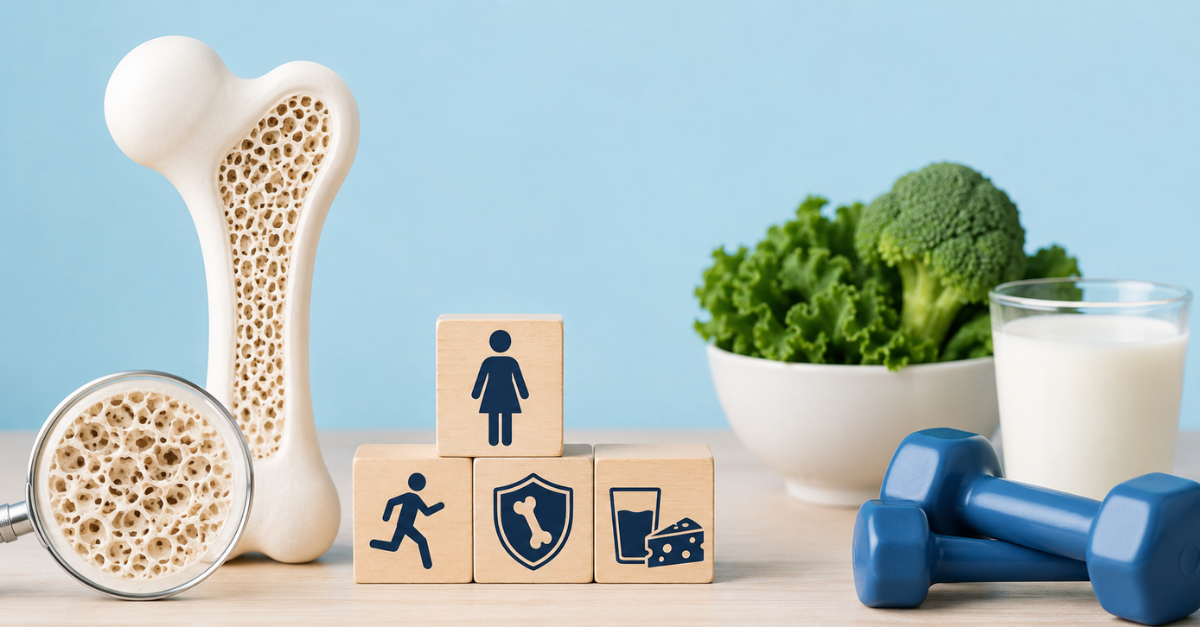
Bone health is something many women don’t think about until a fracture, back pain, or loss of height becomes noticeable. However, maintaining strong bones should start much earlier in life. Osteoporosis, a condition that weakens bones and makes them fragile, affects millions of women worldwide—especially after menopause. The good news is that many cases can be prevented or delayed through healthy lifestyle choices and early awareness.
Understanding how bone density changes with age and learning the right prevention strategies can help women protect their mobility, independence, and overall quality of life for years to come.
What Is Bone Density?
Bone density refers to the amount of minerals, mainly calcium and phosphorus, present in your bones. Healthy bones are dense, strong, and less likely to break. As we age, bones naturally lose density. When bone loss becomes severe, it can lead to osteoporosis.
Women are at a greater risk because hormonal changes—particularly the drop in estrogen during menopause—accelerate bone loss. Smaller bone structure and longer life expectancy also contribute to increased risk.
Understanding Osteoporosis
Osteoporosis is often called a “silent disease” because bone loss happens gradually and without symptoms. Many women only discover they have osteoporosis after experiencing a fracture from a minor fall or injury.
Common fracture sites include:
- Hip
- Spine
- Wrist
- Ribs
Over time, osteoporosis may also cause:
- Loss of height
- Stooped posture
- Chronic back pain
- Reduced mobility
Early prevention is essential because once bone is lost, rebuilding it becomes difficult.
Why Women Are More Vulnerable
Several factors increase osteoporosis risk in women:
Hormonal Changes
Estrogen plays a major role in protecting bone strength. After menopause, estrogen levels decline rapidly, leading to faster bone loss.
Aging
Bone rebuilding slows naturally with age. Women over 50 are especially vulnerable.
Family History
A family history of osteoporosis or fractures increases risk.
Nutritional Deficiencies
Low calcium and vitamin D intake weakens bones over time.
Sedentary Lifestyle
Lack of physical activity reduces bone stimulation and strength.
Smoking and Alcohol
Both habits interfere with bone formation and calcium absorption.
Prevention Strategies Every Woman Should Follow
Preventing osteoporosis starts with everyday habits. Even small lifestyle improvements can make a major difference over time.
Prioritise Calcium Intake
Calcium is the primary building block of bones. Without enough calcium, the body pulls minerals from bones to support other functions.
Women aged 19–50 generally need about 1,000 mg of calcium daily, while women over 50 often need around 1,200 mg.
Good calcium-rich foods include:
- Milk
- Yogurt
- Cheese
- Almonds
- Tofu
- Leafy greens
- Fortified cereals
- Sardines
If dietary intake is low, supplements may help, but it’s best to consult a healthcare provider before starting them.
Don’t Ignore Vitamin D
Vitamin D helps the body absorb calcium effectively. Even if calcium intake is high, low vitamin D can still lead to weak bones.
Common vitamin D sources include:
- Sunlight exposure
- Fatty fish
- Egg yolks
- Fortified milk
- Supplements
Many women, especially those who spend little time outdoors, are deficient in vitamin D without realising it.
Exercise Regularly
Physical activity is one of the most effective ways to strengthen bones and reduce bone loss.
Weight-bearing exercises force the body to work against gravity, helping maintain bone density.
Helpful activities include:
- Walking
- Jogging
- Dancing
- Hiking
- Stair climbing
- Strength training
- Resistance exercises
Even moderate exercise several times a week can improve bone health and reduce fall risk.
Build Muscle Strength
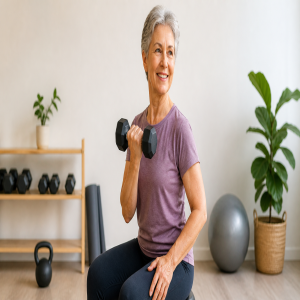
Strong muscles support bones and improve balance, reducing the likelihood of fractures from falls.
Strength training can include:
- Light weights
- Resistance bands
- Bodyweight exercises
- Pilates
Women who maintain muscle mass as they age often experience better mobility and fewer injuries.
Maintain a Healthy Weight
Being underweight increases osteoporosis risk because the body has less bone mass reserve. Extreme dieting and eating disorders can also weaken bones significantly.
At the same time, excessive body weight may increase stress on joints and affect mobility. A balanced, nutrient-rich diet combined with regular activity supports healthy bone maintenance.
Avoid Smoking
Smoking damages bone cells and interferes with estrogen production, increasing bone loss in women. Smokers also tend to heal more slowly after fractures.
Quitting smoking benefits not only bone health but also the heart, lungs, and overall wellness.
Limit Alcohol Consumption
Excessive alcohol intake affects the body’s ability to absorb calcium and vitamin D. It may also increase the risk of falls and fractures.
Moderation is important for protecting long-term bone health.
Focus on Protein and Nutrients
Bones need more than just calcium. Other nutrients play an important role, including:
- Magnesium
- Potassium
- Vitamin K
- Protein
- Zinc
A well-balanced diet with fruits, vegetables, lean proteins, nuts, and whole grains supports stronger bones and overall health.
Get Bone Density Screenings
Bone density testing can identify early bone loss before fractures occur.
A bone mineral density scan, often called a DEXA scan, is commonly recommended for:
- Women over 65
- Postmenopausal women with risk factors
- Women with a family history of osteoporosis
- Individuals with previous fractures
Early detection allows for timely treatment and lifestyle changes.
Reduce Fall Risks at Home
Falls are one of the biggest dangers for women with low bone density. Preventing falls can significantly reduce fracture risk.
Simple home safety tips include:
- Using non-slip rugs
- Installing grab bars in bathrooms
- Improving lighting
- Wearing supportive footwear
- Keeping walkways clutter-free
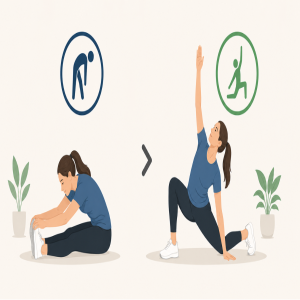
Balance exercises such as yoga or tai chi may also improve stability.
The Role of Hormones in Bone Health
Hormones strongly influence bone density throughout a woman’s life. Menopause, thyroid disorders, and certain medical conditions can affect bone strength.
Some women may benefit from hormone-related treatments or medications prescribed by their healthcare provider. However, treatment plans vary based on age, medical history, and overall health.
Discussing symptoms such as early menopause, irregular periods, or unexplained fractures with a healthcare professional is important.
Can Osteoporosis Be Reversed?
While severe bone loss may not be fully reversible, early intervention can slow progression and strengthen existing bone structure.
Treatment options may include:
- Prescription medications
- Calcium and vitamin D supplementation
- Exercise programs
- Lifestyle modifications
The earlier bone loss is detected, the better the chances of preventing serious complications.
Signs You Shouldn’t Ignore
Many women overlook early warning signs of weak bones. Speak with a healthcare provider if you experience:
- Frequent fractures
- Sudden back pain
- Loss of height
- Poor posture
- Weakness or balance problems
These symptoms may indicate underlying bone loss that requires medical evaluation.
Final Thoughts
Bone density naturally changes with age, but osteoporosis is not an inevitable part of getting older. Women can take proactive steps to strengthen bones, reduce fracture risk, and maintain an active lifestyle through proper nutrition, regular exercise, healthy habits, and preventive screenings.
Protecting bone health should begin long before symptoms appear. The choices made today—whether it’s improving diet, staying active, or scheduling a bone density test—can have a lasting impact on future strength, mobility, and independence.
Strong bones support more than just the body—they support confidence, movement, and long-term well-being.


Comments (0)