
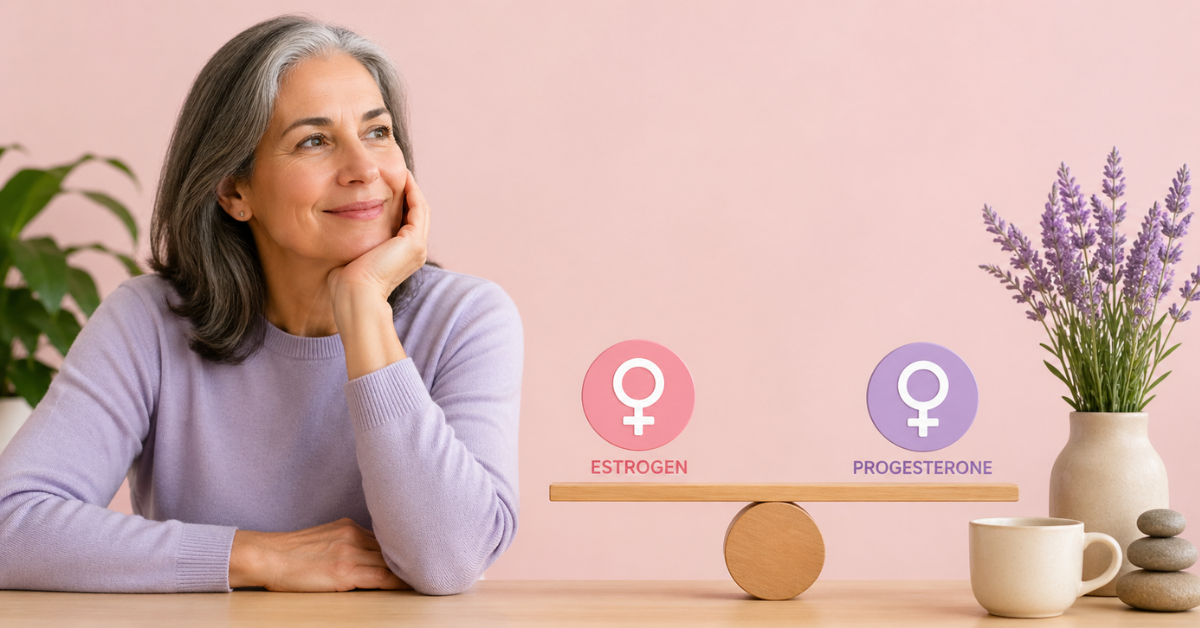
As we move towards our 50s, our bodies undergo profound hormonal shifts that can impact everything from mood and sleep to bone health and metabolism. At the centre of these changes are two key hormones: estrogen and progesterone. Understanding how they work—and how to support their balance—can make a significant difference in how we feel during this stage of life.
This doctor-guided overview breaks down what happens after 50 and how we can restore balance safely and effectively.
Understanding Estrogen and Progesterone
Estrogen and progesterone are the primary female sex hormones that regulate the menstrual cycle, reproductive health, and many other body functions.
- Estrogen supports bone density, heart health, skin elasticity, and cognitive function.
- Progesterone helps regulate the menstrual cycle, supports sleep, stabilizes mood, and balances the effects of estrogen.
During your reproductive years, these hormones work in harmony. However, during menopause, their levels decline significantly.
What Happens?
Menopause marks the end of menstrual cycles, usually occurring between the ages of 45 and 55. After menopause:
- Estrogen levels drop sharply
- Progesterone production nearly stops
- Hormonal balance shifts often lead to noticeable symptoms
This hormonal decline isn’t a disease—it’s a natural phase of life. However, the symptoms can disrupt daily living if not managed properly.
Common Symptoms of Hormonal Imbalance
When estrogen and progesterone levels fall out of balance, we may experience:
1. Hot Flashes and Night Sweats
Sudden waves of heat, often accompanied by sweating and flushing, are among the most common symptoms.
2. Mood Swings and Anxiety
Lower progesterone can affect calming neurotransmitters, leading to irritability or anxiety.
3. Sleep Disturbances
Difficulty falling or staying asleep is often linked to hormonal fluctuations.
4. Vaginal Dryness and Low Libido
Reduced estrogen affects vaginal tissue health and natural lubrication.
5. Weight Gain and Slower Metabolism
Hormonal changes can shift fat distribution and make weight management more challenging.
6. Bone Loss
Estrogen plays a critical role in maintaining bone density. Its decline increases the risk of osteoporosis.
Why Balance Matters
Hormonal imbalance isn’t just about discomfort—it can affect long-term health. Proper balance helps:
- Protect bone density
- Support heart health
- Improve mental clarity
- Maintain a healthy metabolism
- Enhance quality of life
The goal isn’t to “restore youth” but to create stability and support our body’s new normal.
Doctor-Recommended Ways to Restore Balance
1. Hormone Replacement Therapy (HRT)
HRT is one of the most effective medical treatments for managing menopause symptoms.
What it does:
- Replaces declining estrogen (and sometimes progesterone)
- Reduces hot flashes, improves sleep, and supports bone health
Types of HRT:
- Estrogen-only therapy (only for women without a uterus)
- Combined estrogen-progesterone therapy
Important: HRT is not for everyone. Our healthcare professional will review our medical history, risk factors, and symptom severity before we make a decision.
2. Nutrition for Hormonal Health
Your diet plays a crucial role in supporting hormone balance.
Key nutrients to focus on:
- Calcium, Magnesium & Vitamin D: For bone strength
- Omega-3 fatty acids: For heart and brain health
- Phytoestrogens: Found in soy, flaxseeds, and legumes—these plant compounds can mildly mimic estrogen
- Protein: Helps maintain muscle mass and metabolism
Foods to include:
- Leafy greens
- Nuts and seeds
- Fatty fish (like salmon)
- Whole grains
3. Regular Exercise
Physical activity is one of the most powerful tools for managing hormonal changes.
Benefits:
- Improves mood and reduces anxiety
- Supports bone density
- Helps maintain a healthy weight
- Enhances sleep quality
Best types of exercise:
- Strength training (2–3 times per week)
- Walking, cycling, or swimming
- Yoga or Pilates for flexibility and stress reduction
4. Prioritize Sleep
Hormonal changes can disrupt sleep, but good sleep hygiene can help restore balance.
Tips:
- Maintain a consistent sleep schedule
- Avoid caffeine and heavy meals before bedtime
- Keep the bedroom cool and dark
- Practice relaxation techniques like deep breathing or meditation
5. Stress Management
Chronic stress can worsen hormonal imbalance by increasing cortisol levels.
Effective strategies:
- Mindfulness meditation
- Deep breathing exercises
- Journaling
- Spending time in nature
Managing stress not only improves mood but also supports overall hormonal stability.
6. Natural Supplements (With Medical Guidance)
Some supplements may support hormone balance, but they should always be taken under a doctor’s supervision.
Common options include:
- Black cohosh (for hot flashes)
- Magnesium (for sleep and relaxation)
- Vitamin D (for bone health)
- Ashwagandha (for stress support)
Not all supplements work the same for everyone, so personalized advice is essential.
When to See a Doctor
While many symptoms are manageable with lifestyle changes, we should consult a healthcare provider if we experience:
- Severe hot flashes or night sweats
- Persistent mood changes or depression
- Unexplained weight gain
- Vaginal bleeding after menopause
- Significant sleep disturbances
A doctor can recommend tailored treatments, run hormone tests if needed, and rule out other conditions.
Myths About Hormones After 50
Myth 1: “It’s all downhill after menopause.”
Not true. With the right support, many women feel more confident and energized than ever.
Myth 2: “Hormone therapy is unsafe for everyone.”
Modern HRT, when prescribed correctly, is safe for many women and can significantly improve quality of life.
Myth 3: “Symptoms will just go away on their own.”
Some symptoms improve over time, but others may persist without intervention.
A Holistic Approach to Balance
Balancing estrogen and progesterone isn’t about one single solution—it’s about a combination of medical care, lifestyle changes, and self-awareness.
Think of it as a three-part strategy:
- Medical support (like HRT and/or supplements if appropriate)
- Healthy lifestyle habits (diet, exercise, sleep)
- Emotional well-being (stress management and mental health care)
Final Thoughts
The transition is a powerful phase of transformation—not just physically, but emotionally and mentally. While estrogen and progesterone levels may decline, our ability to take control of our own health does not.
By understanding our hormones and working with our bodies—not against them—we can navigate this stage with confidence, energy, and balance.
If you’re unsure where to start, the best first step is a conversation with your doctor. Personalized care makes all the difference in finding what works best for you.



Comments (0)