
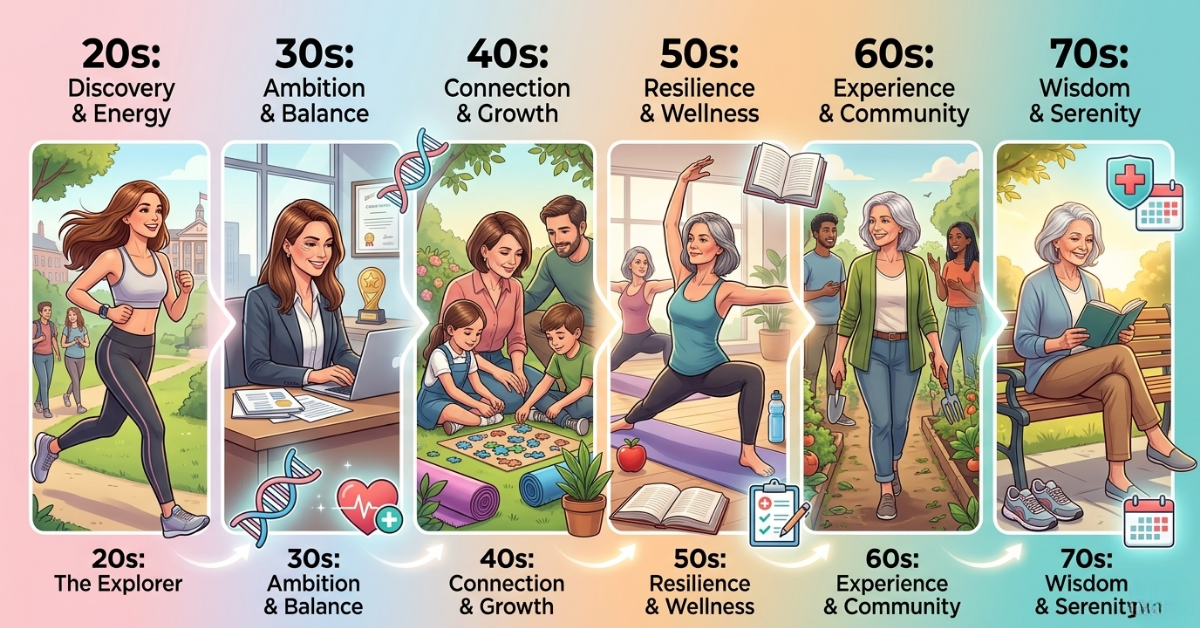
As women progress through the decades, their bodies and health needs change. Understanding and adapting to these changes is crucial for maintaining overall wellness and preventing potential health issues. In this comprehensive guide, we'll explore two essential habits that women should incorporate into their lives during each decade, from their 20s to their 60s and beyond.
Your 20s: Foundation Building
Maintain a Balanced Diet
In your 20s, laying a solid foundation for health is critical. A balanced diet rich in fruits, vegetables, lean proteins, and whole grains provides the necessary nutrients to fuel an active lifestyle and supports long-term well-being. Focus on incorporating a variety of nutrients to combat the early signs of aging and to build bone density.
Regular Physical Activity
Establishing a routine of regular physical activity helps to set a lifelong habit that is crucial for maintaining a healthy weight, improving mood and energy levels, and reducing the risk of chronic diseases. Aim for at least 150 minutes of moderate aerobic activity or 75 minutes of vigorous activity each week, combined with muscle-strengthening exercises.
Your 30s: Prevention and Management
Stress Management Techniques
The 30s can often bring increased responsibilities such as career growth and family care which can lead to heightened stress levels. Effective stress management techniques like mindfulness, yoga, or meditation can be essential in maintaining mental health and overall well-being.
Regular Health Screenings
Begin regular health screenings in your 30s to monitor blood pressure, cholesterol levels, and other vital health metrics. Early detection of potential health issues plays a critical role in effective management and treatment. Women should also discuss with their healthcare provider about the frequency of other screenings such as cervical cancer screening (Pap smear).
Your 40s: Reflect and Adjust
Focus on Cardiovascular Health
As estrogen levels begin to fluctuate and decline in the 40s, the risk of cardiovascular disease increases. Focus on heart-healthy habits such as maintaining a low-sodium diet, engaging in regular cardiovascular exercise, and keeping an eye on blood pressure and cholesterol levels.
Maintain Muscle Mass
Muscle mass naturally begins to decrease in your 40s. Incorporate strength training into your routine at least twice a week to help maintain muscle mass, which in turn helps keep your metabolism active and prevents weight gain.
Your 50s: Reinforce Healthy Habits
Bone Health
With the onset of menopause in the 50s, women experience a decrease in bone density. Calcium, Magnesium, and Vitamin D3 intake should be increased either through diet or supplements. Weight-bearing exercises are also crucial to strengthening bones and preventing osteoporosis.
Regular Cancer Screenings
Continue with regular screenings for breast and colorectal cancers. Discuss with your healthcare provider about the appropriateness of starting screenings for other types of cancer based on your personal health history and risk factors.
Your 60s and Beyond: Monitor and Maintain
Monitor Chronic Conditions
The 60s and beyond can often bring chronic conditions such as diabetes, hypertension, or arthritis. Regular monitoring and management of these conditions, in collaboration with your healthcare provider, are essential to maintaining quality of life.
Mental Health and Cognitive Function
Maintaining social connections and engaging in mentally stimulating activities can help preserve cognitive function and support mental health. Consider activities like volunteering, joining clubs, or learning new skills to stay mentally active and socially engaged.
Adapting your health habits as you age is not just about adding more years to your life, but more life to your years. By focusing on these essential habits in each decade, women can enhance their health, well-being, and vitality, no matter their age.




Comments (0)