
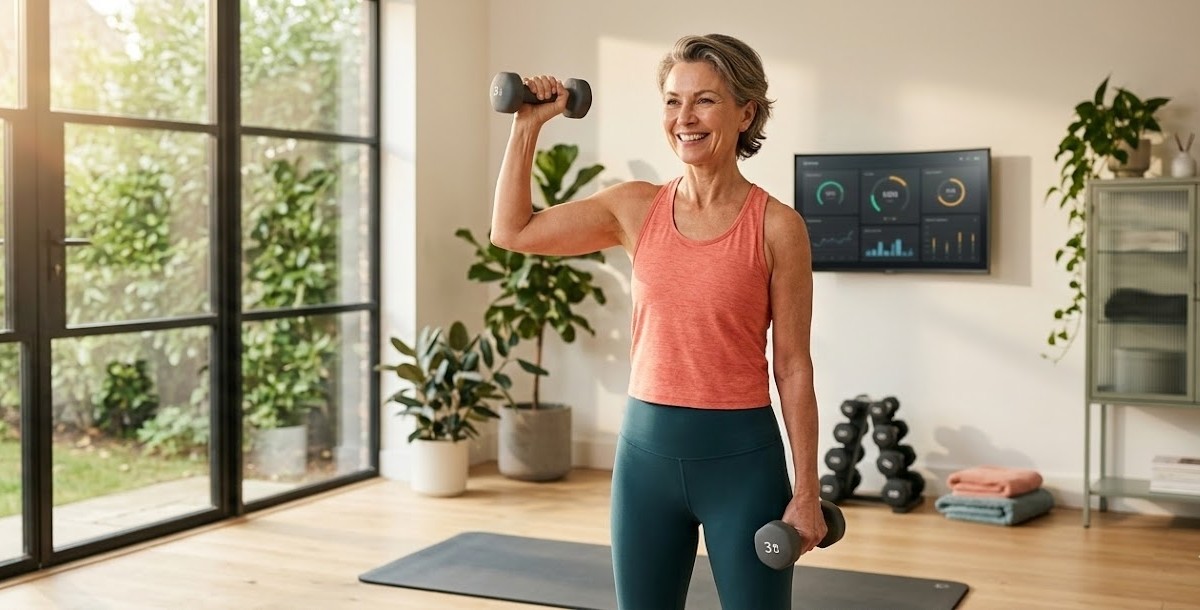
Turning 50 is often seen as the beginning of a new phase of life—one that brings wisdom, confidence, and new priorities. However, it also comes with natural changes in the body. Muscle mass gradually declines, metabolism slows, hormones fluctuate, and joint stiffness may increase. These changes can make staying active feel more challenging, but they also make fitness more important than ever.
The good news is that with the right fitness strategy, women over 50 can maintain strength, improve mobility, support bone health, and boost overall well-being. A well-designed fitness plan doesn’t have to involve extreme workouts or exhausting gym routines. Instead, it focuses on balanced movement, consistency, and exercises that support long-term health.
This guide outlines the best fitness plan for women over 50—covering strength training, cardio, flexibility, and lifestyle habits that help you stay vibrant and energetic.
Why Fitness Becomes Essential After 50
As the body ages, several physiological changes occur that make regular exercise crucial.
1. Muscle Loss (Sarcopenia)
After age 50, people can lose 1–2% of muscle mass each year if they are not physically active. Strength training helps maintain and rebuild muscle.
2. Bone Density Reduction
Women are at higher risk of osteoporosis after menopause. Weight-bearing exercises help maintain strong bones and reduce fracture risk.
3. Slower Metabolism
A slower metabolism means calories burn more slowly, which can lead to weight gain. Regular physical activity helps maintain a healthy weight.
4. Joint Mobility and Balance
Without movement, joints become stiff and balance declines. Exercise improves coordination and reduces the risk of falls.
5. Mental and Emotional Well-Being
Exercise releases endorphins that reduce stress, improve mood, and support cognitive health.
The Four Pillars of a Fitness Plan After 50
A balanced fitness routine should include four essential components:
- Strength Training
- Cardiovascular Exercise
- Flexibility and Mobility
- Balance Training
Together, these pillars support a strong and resilient body.
1. Strength Training: The Foundation of Fitness
Strength training is the most important type of exercise for women over 50 because it helps maintain muscle mass and supports bone density.
Many women mistakenly believe strength training means lifting heavy weights or becoming overly muscular. In reality, it simply involves resistance exercises that strengthen muscles.
Benefits of Strength Training
- Improves metabolism
- Strengthens bones
- Enhances posture
- Reduces joint pain
- Improves daily functional movement
Recommended Frequency
Strength training should be performed 2–3 times per week.
Beginner Strength Exercises
Squats
Strengthen legs and glutes while improving mobility.
Wall Push-Ups
Build upper-body strength without excessive strain.
Glute Bridges
Support hip stability and lower back health.
Resistance Band Rows
Improve posture and strengthen the back.
Light Dumbbell Exercises
Target shoulders, arms, and chest.
Sample Strength Routine
- Squats – 12 reps × 3 sets
- Wall Push-ups – 10 reps × 3 sets
- Glute bridges – 15 reps × 3 sets
- Resistance band rows – 12 reps × 3 sets
- Dumbbell shoulder presses – 10 reps × 3 sets
Rest for 60 seconds between sets.
2. Cardiovascular Exercise for Heart Health
Cardio exercise supports heart health, increases endurance, and helps maintain a healthy weight.
Women over 50 should aim for at least 150 minutes of moderate cardio per week.
Best Cardio Exercises
Brisk Walking
One of the safest and most effective exercises.
Swimming
Gentle on joints while improving cardiovascular fitness.
Cycling
Excellent for strengthening the legs and improving endurance.
Dancing
Fun and engaging while improving coordination.
Low-Impact Aerobics
These workouts increase heart rate without stressing the joints.
Weekly Cardio Example
-
Monday – 30-minute brisk walk
-
Wednesday – 30-minute cycling session
-
Friday – 30-minute swimming workout
-
Saturday – 30-minute dance class
3. Flexibility and Mobility
Flexibility becomes increasingly important with age because muscles and connective tissues become less elastic.
Stretching and mobility exercises help maintain joint range of motion and prevent injury.
Benefits of Flexibility Training
- Reduces muscle stiffness
- Improves posture
- Enhances mobility
- Reduces injury risk
Effective Flexibility Practices
Yoga
Improves flexibility, strength, and mindfulness.
Pilates
Strengthens the core while improving posture.
Daily Stretching Routine
Stretch major muscle groups such as:
- Hamstrings
- Hip flexors
- Shoulders
- Back
Simple Daily Stretch Routine
Hold each stretch for 20–30 seconds.
- Neck stretch
- Shoulder stretch
- Hamstring stretch
- Calf stretch
- Lower back stretch
Practicing these stretches daily helps maintain comfortable movement.
4. Balance Training
Falls are one of the biggest health risks for older adults. Balance exercises strengthen stabilizing muscles and improve coordination.
Simple Balance Exercises
Single-Leg Stand
Stand on one foot for 15–30 seconds.
Heel-to-Toe Walk
Walk in a straight line placing one foot directly in front of the other.
Tai Chi
A gentle practice known for improving balance and reducing fall risk.
Practicing balance exercises three times per week can significantly improve stability.
Weekly Fitness Plan for Women Over 50
A balanced weekly routine might look like this:
Monday
-
Strength training (30 minutes)
Tuesday
-
Cardio walk (30 minutes)
Wednesday
-
Yoga or stretching session (30 minutes)
Thursday
-
Strength training (30 minutes)
Friday
-
Swimming or cycling (30 minutes)
Saturday
-
Balance exercises + light cardio
Sunday
-
Rest or gentle stretching
Consistency matters more than intensity. Even moderate activity can produce significant health benefits.
Nutrition and Hydration for Active Women Over 50
Fitness works best when combined with proper nutrition.
Key Nutritional Priorities
Protein
Supports muscle maintenance and repair.
Sources include:
- Fish
- Eggs
- Greek yogurt
- Lentils
- Nuts
Calcium and Vitamin D
Essential for bone health.
Sources include:
- Dairy products
- Leafy greens
- Fortified foods
Healthy Fats
Support brain and heart health.
Sources include:
- Avocados
- Olive oil
- Nuts
- Seeds
Hydration
Drink adequate water before, during, and after exercise.
Dehydration can lead to fatigue and muscle cramps.
Common Fitness Mistakes After 50
Avoiding common mistakes can help prevent injury and maximize results.
Skipping Strength Training
Many women focus only on cardio, but strength training is essential for maintaining muscle and bone health.
Doing Too Much Too Quickly
Overexertion increases injury risk. Gradually increase intensity.
Ignoring Recovery
Muscles need time to recover. Rest days are important.
Poor Posture During Exercise
Proper technique prevents strain and improves effectiveness.
Staying Motivated to Exercise
Consistency is often the biggest challenge when starting a fitness routine.
Tips to Stay Motivated
Set Realistic Goals
Focus on progress rather than perfection.
Find Activities You Enjoy
Exercise should feel rewarding, not like a chore.
Exercise with Friends
Social workouts increase accountability and enjoyment.
Track Your Progress
Recording workouts can help maintain motivation.
Mental Health Benefits of Fitness
Regular exercise offers powerful mental health benefits, including:
- Reduced anxiety
- Improved mood
- Better sleep
- Enhanced cognitive function
Exercise stimulates brain chemicals that promote happiness and relaxation.
For many women over 50, physical activity also builds confidence, independence, and a renewed sense of vitality.
When to Consult a Doctor
Before starting a new fitness routine, consult a healthcare professional if you have:
- Heart conditions
- Chronic joint pain
- Osteoporosis
- Recent surgery
- Other medical concerns
A doctor can help recommend safe exercises based on your health status.
Aging does not mean slowing down—it simply means adapting your fitness approach to support long-term health and vitality.
The best fitness plan for women over 50 focuses on strength, mobility, endurance, and balance. By combining these elements with healthy nutrition and consistent habits, it is possible to maintain energy, independence, and physical confidence for decades to come.
Fitness is not about achieving a perfect body. It is about creating a strong, resilient body that allows you to enjoy life fully.
With the right plan and commitment, your best, strongest, and most vibrant years can still be ahead of you.



Comments (0)