
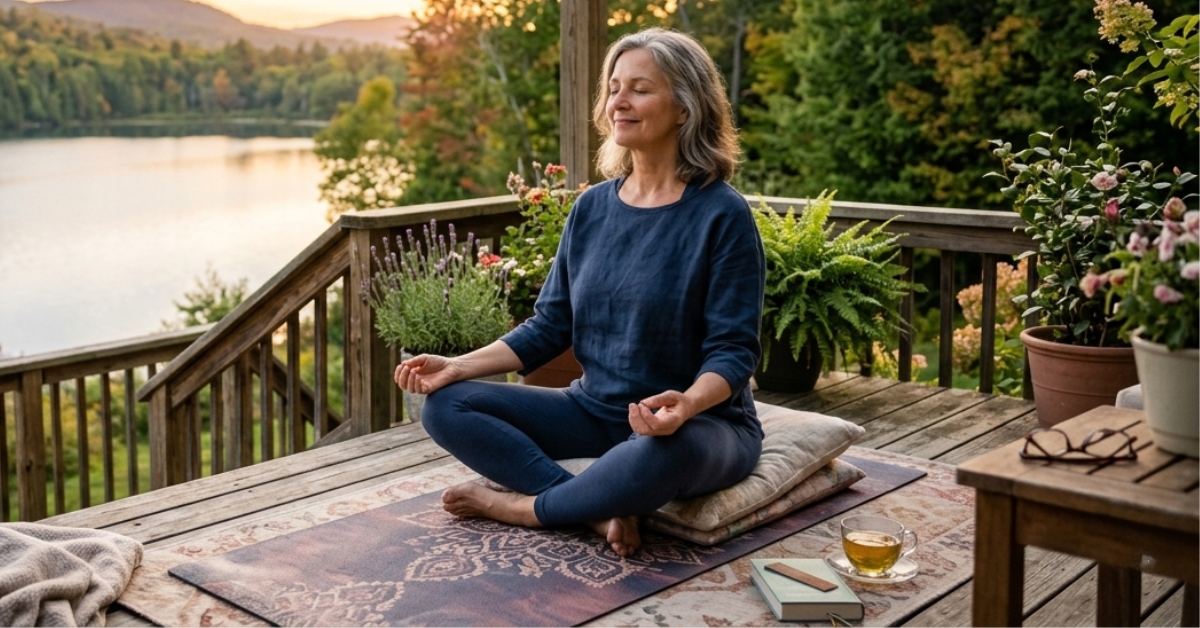
As we age, our lives can sometimes feel increasingly stressful and anxiety-ridden. For those over 50, these feelings can be particularly challenging due to changes such as retirement, health concerns, or shifts in the family dynamic. Fortunately, there are targeted strategies that can help manage and reduce stress and anxiety effectively.
Understanding Stress and Anxiety in Later Life
Stress and anxiety can manifest differently as we age. It's not just the physical symptoms; psychological and emotional responses can also become more pronounced. Recognizing these signs is the first step towards managing them effectively. Common symptoms include irritability, persistent worry, difficulty sleeping, and physical manifestations such as headaches or stomach upset.
Engage in Regular Physical Activity
Exercise is a powerful tool for combating stress and anxiety. Activities like walking, swimming, yoga, or tai chi can significantly boost mood through the release of endorphins, the body's natural stress relievers. Aim for at least 150 minutes of moderate aerobic activity or 75 minutes of vigorous activity each week, as recommended by health professionals.
Adopt Mindfulness and Meditation
Mindfulness and meditation are proven techniques that help calm the mind and reduce anxiety. These practices involve focusing on the present moment and can significantly reduce the racing thoughts that often accompany anxiety. Apps like Headspace or Calm can be a great starting point for guided meditation sessions.
Maintain a Healthy Diet
What you eat has a profound impact on your overall mental health. A diet rich in vegetables, fruits, unprocessed grains, and fish can help stabilize blood sugar and reduce mood swings. Avoid excessive caffeine and sugar, which can exacerbate anxiety and contribute to the deterioration of overall mental health.
Prioritize Social Connections
Isolation can be a significant factor in increasing stress and anxiety in those over 50. Maintaining strong social connections with friends, family, or through community activities can provide emotional support and reduce feelings of loneliness and anxiety. Regular social interaction is vital for mental health, providing both emotional support and cognitive stimulation.
Get Adequate Sleep
Sleep is crucial for mental health. Poor sleep can exacerbate anxiety, decrease resilience to stress, and impact overall health. Aim for 7-9 hours of quality sleep per night. Establish a regular, calming bedtime routine and create a sleep environment that promotes rest, such as a cool, quiet, and dark room.
Consult Healthcare Professionals
If stress and anxiety are overwhelming, it may be beneficial to speak with healthcare professionals. They can offer guidance tailored to your specific health needs. Treatments may include counseling, medication, or other therapies that address the root causes of stress and anxiety.
Reducing stress and anxiety as we age is not only possible; it's essential for maintaining quality of life. By adopting these strategies, individuals can enjoy a more relaxed, joyful, and fulfilling life in their later years.




Comments (0)