
Early Signs of Osteoporosis in Women Over 50
Osteoporosis is a bone disease that is characterized by a decrease in bone mass and density, which can lead to an increased risk of fracture. This condition is particularly prevalent in women over the age of 50. Understanding the early signs and symptoms of osteoporosis can lead to earlier intervention and better management of the condition.
Why Women Over 50 Are at Increased Risk
After menopause, women experience a decline in estrogen levels, a hormone that plays a crucial role in maintaining bone density. The drop in estrogen accelerates bone loss, making postmenopausal women more susceptible to osteoporosis. Other factors such as genetic predisposition, inadequate nutrition, and a sedentary lifestyle further contribute to the risk.
Recognizing the Early Signs of Osteoporosis
Early detection of osteoporosis is key to preventing severe bone loss and fractures. Here are some signs that women over 50 should be aware of:
- Receding Gums: Osteoporosis can lead to bone loss in the jaw, which may cause your gums to recede. If you notice changes in your dental health, it could be an early sign of bone loss.
- Decreased Grip Strength: As bone density decreases, you might find it harder to grip or hold onto objects. This can be an early indicator of reduced bone strength in the hands and wrists.
- Brittle Nails: While not as definitive as other symptoms, brittle nails can sometimes be associated with decreased bone density.
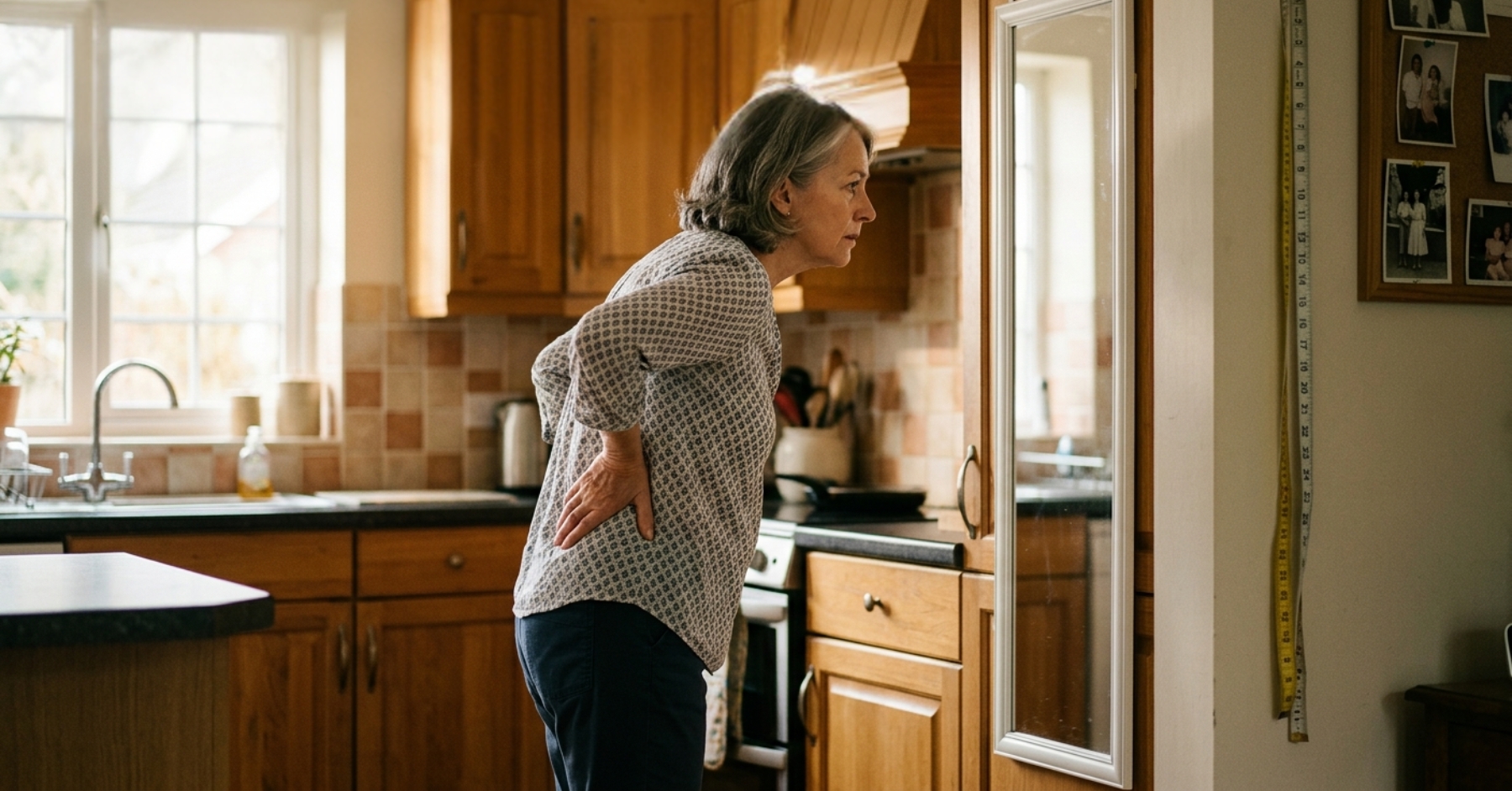
- Height Loss: Losing height over time can be a sign of vertebral fractures due to weakened bones. If you notice you're shorter than you used to be, it could be due to compression in your vertebrae.
- Back Pain: Ongoing or sudden onset of back pain can be a symptom of a fractured or collapsed vertebra, another sign of weakened bones.
Prevention and Management
While osteoporosis can be a daunting diagnosis, there are several strategies to manage and prevent further bone loss:
- Calcium, Magnesium, and Vitamin D3: A diet rich in calcium, magnesium, and vitamin D3 is crucial for bone health. Dairy products, leafy greens, legumes, nuts and seeds, fatty fish, and fortified foods are excellent sources. Dietary supplements can be a good option as well. Vitamin D can also be obtained from sunlight exposure.
- Regular Exercise: Weight-bearing and muscle-strengthening exercises can help build and maintain bone density. Activities like walking, jogging, and resistance training are beneficial.
- Lifestyle Changes: Quitting smoking and reducing alcohol intake can positively impact overall bone health.
- Medical Check-ups: Regular bone density tests and medical assessments can help monitor bone health and prevent complications.
Conclusion
Being aware of the early signs of osteoporosis and engaging in preventative strategies can significantly impact the quality of life for women over 50. If you suspect you have symptoms of osteoporosis, consult with a healthcare provider for a proper diagnosis and treatment plan. Remember, early intervention is key to managing this condition effectively.



Comments (0)