
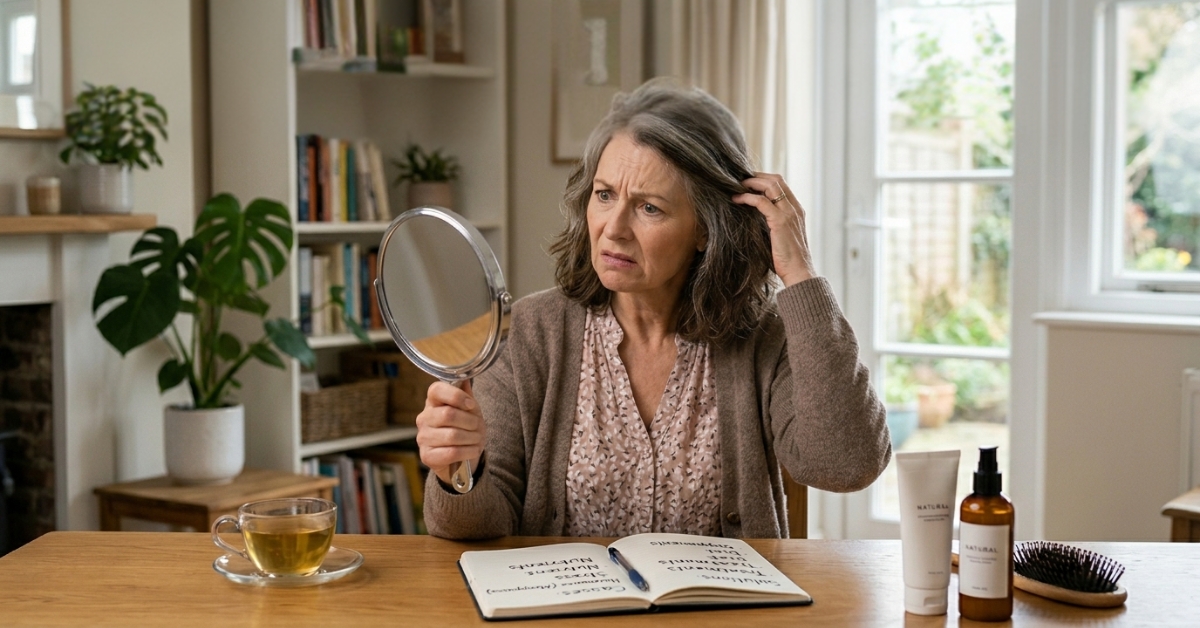
Hair loss can be a distressing experience, especially for women over 50. As you age, your hair naturally starts to thin and lose its density. However, significant hair loss is not just a cosmetic issue; it can also be a sign of underlying health concerns. In this article, we will explore the various causes of hair loss in women over 50 and provide practical tips on how to combat this issue effectively.
Common Causes of Hair Loss in Women Over 50
Understanding the reasons behind hair loss is the first step in addressing the problem. Here are some of the most common causes:
- Menopause: The hormonal changes during menopause can lead to hair thinning. Lower estrogen levels can cause the hair to feel brittle and dry, making it more prone to falling out.
- Nutritional Deficiencies: Lack of essential nutrients like iron, vitamin D, and proteins can significantly impact hair health. As dietary habits change with age, it's crucial to ensure you're getting enough of these nutrients.
- Stress: Chronic stress is a major contributor to hair loss. It can trigger a condition known as telogen effluvium, where more hairs enter the resting phase and fall out more easily.
- Medical Conditions: Thyroid disorders, autoimmune diseases, and scalp infections can all lead to hair loss. Regular check-ups can help manage these conditions before they impact your hair.
- Genetic Predisposition: Hereditary patterns of baldness, or androgenetic alopecia, can also affect women, though typically it results in hair thinning rather than full baldness.
Effective Ways to Combat Hair Loss
While some factors like genetics cannot be changed, there are several steps you can take to prevent and reduce hair loss:
- Maintain a Balanced Diet: Incorporate a diet rich in vitamins, minerals, and proteins. Foods like spinach, nuts, berries, and fish can provide the necessary nutrients to keep your hair healthy.
- Manage Stress: Engage in stress-reducing activities such as yoga, meditation, or regular exercise. Managing stress not only helps in reducing hair loss but also improves overall health.
- Proper Hair Care: Avoid harsh treatments, such as frequent coloring or chemical processes. Use gentle and natural hair care products, and avoid tight hairstyles that pull at the hair roots.
- Medications and Supplements: In some cases, supplements like biotin or topical treatments like minoxidil (Rogaine) might be recommended by your healthcare provider to help stimulate hair growth.
- Consult a Specialist: Dermatologists can offer treatments such as PRP (Platelet-rich Plasma) therapy, which involves injecting the scalp with a concentration of your own platelets to stimulate hair growth.
In conclusion, while hair loss in women over 50 can be influenced by various factors, a proactive approach towards diet, stress management, and proper hair care can help mitigate this issue. It's important to consult healthcare professionals to understand the underlying causes and receive tailored treatment options. With the right care, you can maintain healthy, strong hair well into your older years.


Comments (0)